
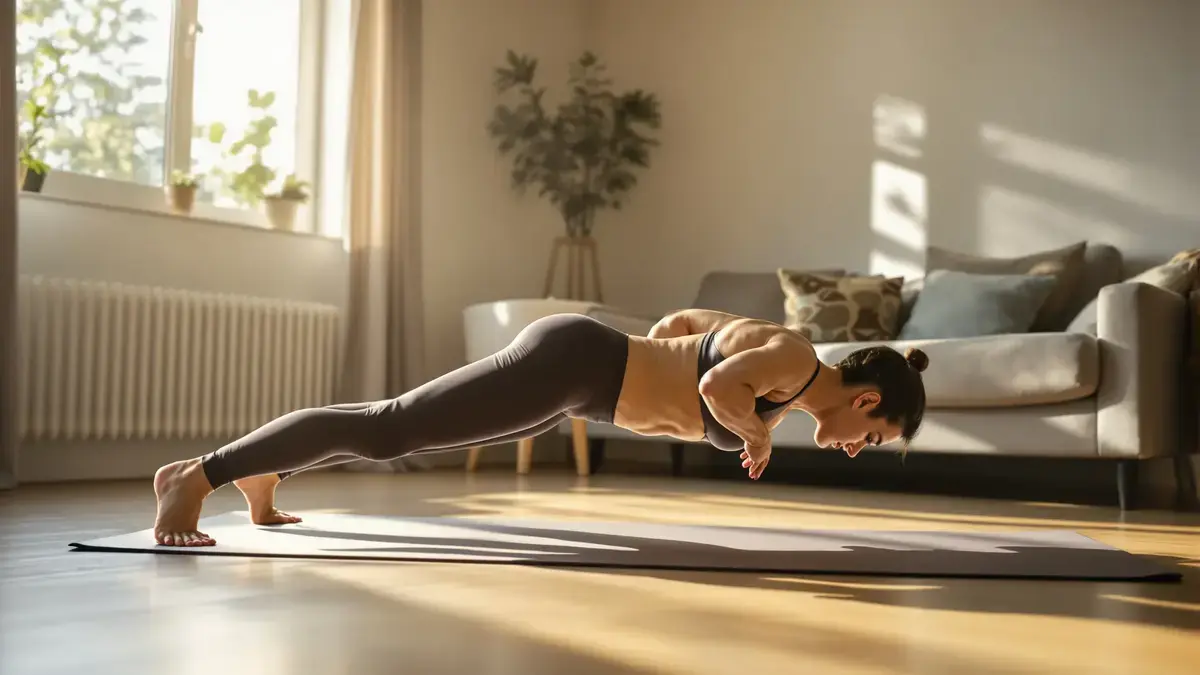

A narrow strip of sunlight glances across a living room floor as someone quietly balances, supported only by a forearm and the edges of their feet. The body hovers, tense and alive, each muscle alert yet working together. This moment, so ordinary and grounded, hints at something deeper: a subtle transformation happening just beneath the surface, triggered by a yoga posture that’s both quietly ancient and startlingly relevant.
An Ancient Shape for a Modern Life
Everyday routines rarely demand much from our balance. Sitting at the kitchen table, scrolling through messages, or reaching for a cup, our own physical stability fades into the background. Yet, Vasisthasana—the side plank—brings it instantly, almost shockingly, into focus. Rooted in centuries-old yoga tradition, this posture is named after an ancient sage and bears far more weight than its simple shape might suggest.
The pose isn’t just about holding still; it’s a deliberate activation of deep, often-neglected core muscles. Unlike basic ab workouts, Vasisthasana draws in the obliques, the stabilizers along the spine, and even the tiny muscles wrapping the hips and shoulders. It asks every supporting muscle—especially those hidden away by hours spent seated—to switch on and pay attention.
Balance Is More Than Not Falling
It's easy to take balance for granted until it wobbles. In side plank, weight shifts subtly from forearm to foot, demanding a careful distribution that resists gravity’s pull. These micro-adjustments—felt as minute shakes and corrections—train the body's proprioception. This is the innate sense that lets you close your eyes and still know where your hand is, the same skill that keeps you steady on uneven ground.
Practicing Vasisthasana exposes the body’s left-right imbalances. Often, one side is steadier or stronger, highlighting forgotten asymmetries. Over time, this focus on symmetry sharpens not only balance but also self-awareness, prompting both core and mind to coordinate with unusual precision.
Undoing the Quiet Damage of Sitting
Long hours at a desk leave hips stiff and core stabilizers dormant. Posture slips, sometimes subtly, as muscles along the spine lose their edge. Vasisthasana addresses this decline directly. The pose stretches the spine laterally, countering the forward bend created by sitting, and strongly activates the lateral core—areas rarely called upon during daily work.
The glutes help maintain a level pelvis, the shoulders remain steady, and even the wrists build resilience across joints often overlooked. Each hold invites a gentle challenge—to focus on breathing and presence. Body and mind align briefly, producing a sense of both physical and mental clarity.
A Simple Pathway, No Equipment Needed
One of Vasisthasana’s strengths is its straightforwardness. A mat is optional; floor space will do. The entry is simple: align the body along one side, keep the lower forearm strong and at a right angle to the torso, lift the hips, and hold a straight line from head to foot. Initial attempts may last twenty or thirty seconds, with gradual extensions to time and intensity as comfort grows.
Progression is part of the journey. Lifting the upper leg, touching the floor with the top foot, or reaching the top arm skyward all invite more core engagement. Minor fatigue is expected—signaling true muscular effort—while sharp pain is a cue to step back. Each repetition reflects and respects personal growth, not comparison.
More Than Exercise: Tradition Alive in Movement
What begins as a physical pose roots itself in centuries-old ideas about unity of body, breath, and attention. Regular practice builds core strength, steadier balance, and an intuitive sense of bodily position in space. The rhythm of holding, breathing, and adjusting creates a subtle link between movement and mental stillness.
The ongoing return to this shape becomes a quiet routine, not only sustaining joints and muscles but also encouraging a balanced relationship between action and awareness in everyday life.
Careful Practice, Mindful Progress
Vasisthasana can be safely woven into daily life for most, but it is not a substitute for medical advice. Those managing injuries or health challenges should consult a healthcare professional before adding new physical practices. Quiet progress, tuned closely to one’s own feedback, is key.
As light shifts and everyday movement quietly resumes, echoes of balance linger—a core subtly strengthened, the margins between effort and ease newly revealed. The ancient line traced by Vasisthasana shapes not just posture, but a steadier way of inhabiting each day.
