
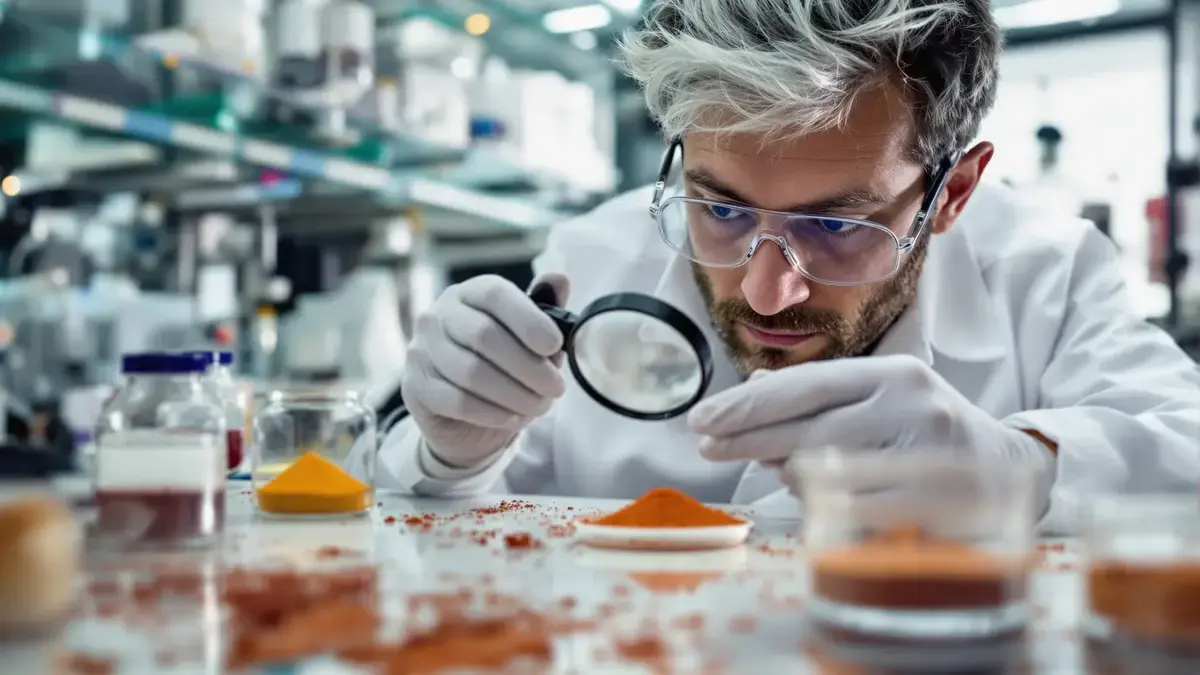

A pale red dust, fine as talcum, drifts over lab benches. Miniature creatures called tardigrades—nearly invisible to the eye—become the unlikely stars of an unusual experiment. Here, sealed dishes and powdery soil open a simple question: Could Mars itself hold secrets about life’s limits, or set terms for its own protection?
A Test in Micro Survival
Within a dish no larger than a palm, tardigrades encountered the chemistry of Mars. These tough, water-loving animals have a reputation for surviving almost anything—a vacuum, intense radiation, even decades of dryness. Yet, when exposed to a chemical blend meant to mimic authentic Martian regolith, their reaction turned suddenly cautious.
Some dishes contained MGS-1 simulant, echoing the gritty mineral balance found on Mars. Others held a variant from a different Martian region. Under the lens, the tardigrades did not march through this dust undisturbed. Instead, within a short time, many curled into dormant, shrunken forms: a clear distress signal from an extremophile.
Alien Barriers and Hidden Poisons
Not all Martian simulants are equally menacing. The MGS-1 blend—representing the planet’s usual soil—produced sharper, quicker stress. Its impact outpaced the gentler OUCM-1, though both carried threats. Researchers rinsed the soil with simple water and found something nearly invisible flushed away: toxic compounds, apparently water-soluble.
This reaction hints at salts or soluble chemicals lurking in the regolith. No single culprit is identified yet, but the pattern is plain. On Mars, soil itself may quietly extinguish, or at least shrink, Earth’s hardiest creatures. The surface becomes a sort of chemical filter: harsh, but also potentially protective.
Protection Built Into the Red Planet
Planetary protection—preventing the accidental seeding of Mars with Earth life—depends on careful spacecraft sterilization. Regulations are strict, demanding near-total removal of microbes before Mars missions. Yet Mars may be more than a passive destination. The chemistry of its soil could already act as a built-in shield, neutralizing strays from Earth even before they take hold.
The paradox is sharp: That toxic surface is both a barrier and a quarantine. What threatens earthly lifeforms may safeguard the search for native Martian signs. Micro-scale evidence, like the fate of tardigrades, points to Mars as both hostile ground and unexpected ally in planetary protection.
A Door Half-Open for the Future
One practical twist emerges from the laboratory. Wash away Mars’ soluble toxins, and the soil loses much of its bite. It’s not implausible that future explorers could route water through Martian dust, stripping out the most dangerous bits to prepare fields for food or research. Yet these findings also place boundaries: Even the planet’s toughest would-be invaders need more than stubbornness.
Mars, with winds sweeping over iron-rich plains, presents not only a geological challenge but a living puzzle. The encounter between terrestrial extremophiles and Martian minerals reminds us—the task of making a home beyond Earth comes layered with the planet’s natural rules.
Rethinking Limits in a New Environment
In the quiet of a laboratory, one of Earth’s hardiest creatures reveals how the Red Planet resists and regulates new arrivals. The interplay of biology and chemistry, invisible compounds meeting invisible animals, sketches out both obstacles and glimpses of possibility. Mars’s surface sits at the crossroads: tough on life as we know it, yet vital to preserving what lies beyond our reach.
