
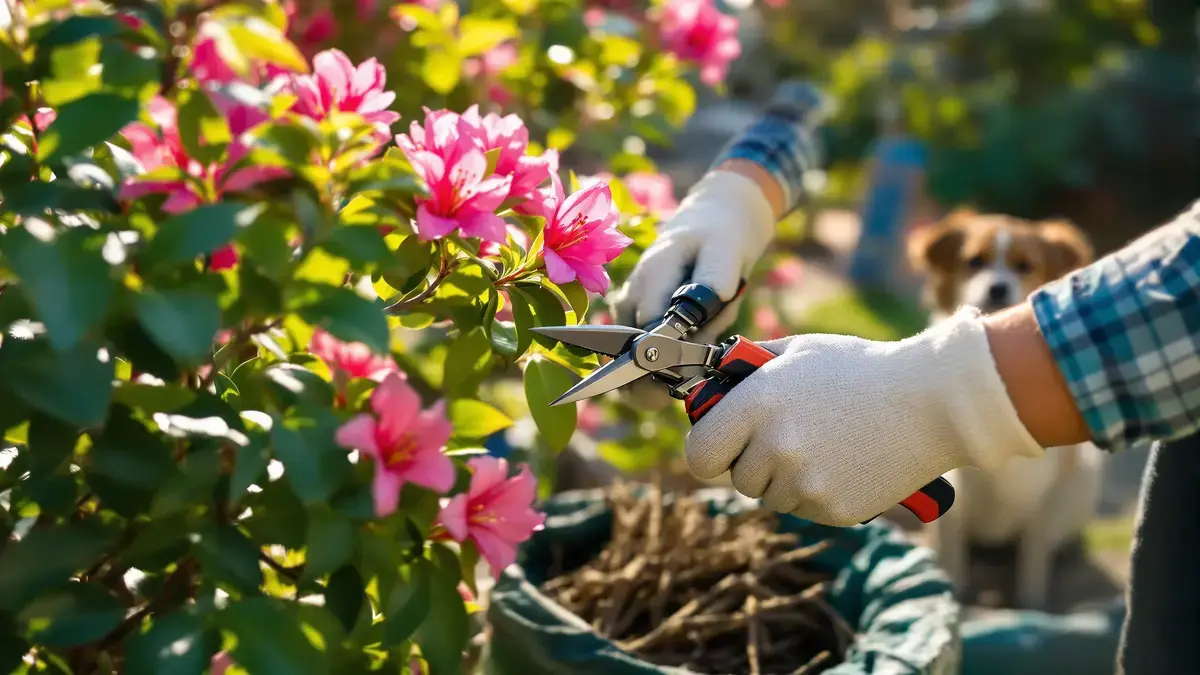

A patch of sun brings an oleander to life, its vivid flowers clustered above glossy leaves. This Mediterranean shrub, familiar at the edge of many gardens, seems harmless. Yet each snip of the pruning shears conceals a risk that goes unnoticed by many, a hidden danger that quietly multiplies with a single misstep.
The Quiet Risk Lurking in Plain Sight
Oleander is valued for its robust growth and abundant blossoms. In many gardens, it's trimmed to keep it tidy or to shape its silhouette. However, all parts of the plant are toxic, packed with cardiotoxic glycosides that pose a genuine risk. Not everyone is aware that pruning mistakes—careless cuts or improper disposal—can significantly raise the chance of toxin exposure.
Walking through a garden, children might chase a ball near trimmed branches. Pets, drawn by curiosity, could sniff leaves left on the ground. Even adults, eager to clean up, might touch the sticky sap with bare hands. Each of these moments hides a potential hazard.
Why Timing Matters More Than You Think
Pruning is not just a seasonal chore—it must be timed to align with the shrub’s rhythm. The main pruning, done after flowering in late summer or autumn, clears away faded flowers and readies the plant for the next season. Formation pruning at winter’s end, just before growth surges, keeps oleander healthy and encourages vivid blooms.
But wait for frosts to pass if you live where winters bite hard. Cutting at the wrong time, especially during freezing or extreme heat, stresses the plant and may push toxins out through freshly cut wounds. Each region’s climate nudges the calendar slightly, but avoiding pruning in harsh weather always protects both you and the shrub.
Handling Oleander: Protection Is Not Optional
Dull secateurs might crush branches, but a lack of protection is much worse. Every cut releases sap; every leaf and stem is a source of danger. Wear thick gloves and long sleeves. Wash your hands methodically after every session, even if you think you were careful.
Never burn clippings—the fumes carry toxins, unseen but present. Instead, bag debris with household waste or take it to a designated collection center. After pruning, sweep up thoroughly, keeping trimmed pieces away from children and pets.
Precision Over Haste: The Right Way to Prune
It’s simple to rush through the task, but correct technique is essential. Start by removing dead, damaged, or diseased growth at ground level. Next, thin out crossing or inward-growing branches, creating more space for air and sunlight.
After flowering, shorten blooming shoots above an outward-facing bud—this is where next year’s displays start. Don’t trim more than a third of the shrub in one go. For older plants, a harsh cut back in late winter can restore vitality, but be patient; flowers will return the following year.
Always use sharp, sterilized secateurs for small branches and loppers or a saw for thicker ones. Alcohol-wiped tools reduce disease risks, protecting both your garden and your health.
Subtle Mistakes, Lasting Consequences
It is easy to underestimate the relentless nature of oleander toxicity. One overlooked branch left within reach or a forgotten pile in the driveway can undo hours of caution. The risks are invisible, intensified by inattention to detail.
Yet, practiced vigilance—protective clothing, careful disposal, precise cutting—means these dangers can be managed. Pruning then becomes an act of care, not only shaping the plant but safeguarding everyone nearby.
Guarded Beauty Endures
Oleander’s allure comes with invisible strings: a reminder that in tending to nature’s gifts, knowledge and restraint matter as much as enthusiasm. Gardens thrive when attention is paid to what cannot be seen, and with the right habits, both people and plants can flourish, side by side.
