
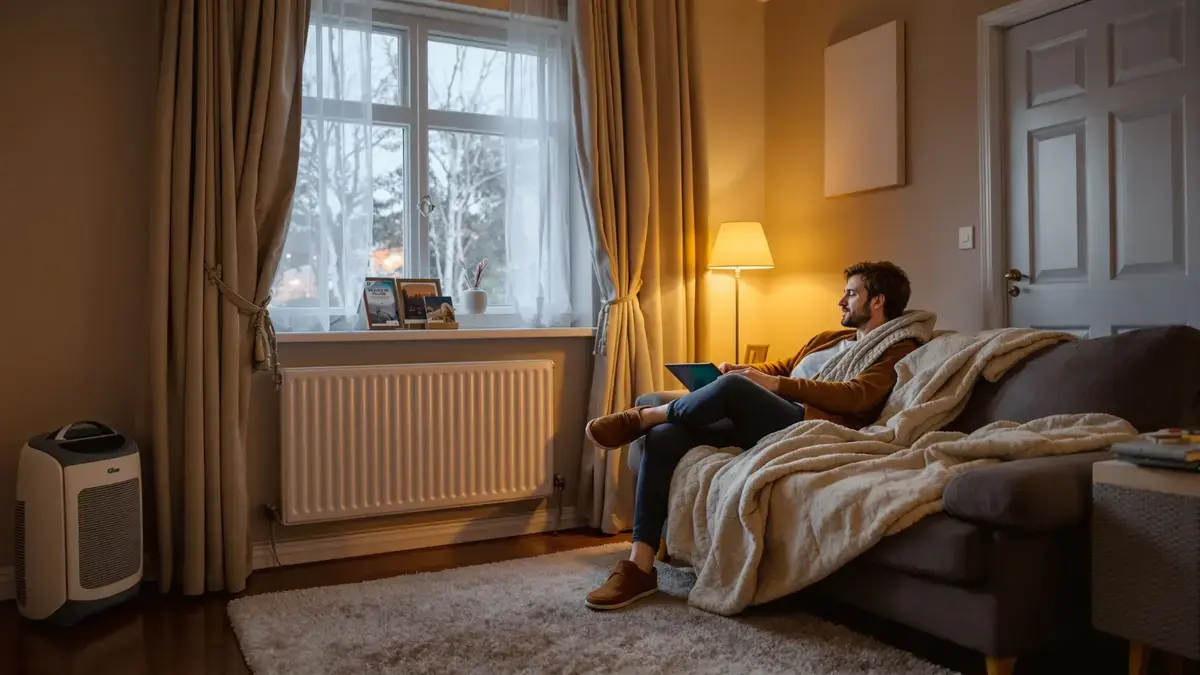

A draft slips beneath the door as dusk falls and warmth begins to leak away. Heavy curtains settle beside the window, their folds soft against the glass. Many people notice the chill creeping in, despite layers of blankets and warm socks. For those balancing comfort and cost, keeping a home warm in winter isn’t just about turning up the dial—but about sealing, lining, and adapting in ways both visible and nearly imperceptible.
Everyday Obstacles to Staying Warm
Unheated rooms stand silent, their doors closed to keep out the cold. At the threshold, a simple draft stopper works quietly, blocking cold air from slipping into living spaces. Many find that thick curtains across windows seem to swallow the outdoor chill, while shutters drawn after dark add an extra barrier. Each of these small acts forms another line of defense—especially when empty pockets or old walls make every ounce of warmth matter.
The Hidden Battle: Air, Moisture, Insulation
Sometimes, the biggest threat isn’t the temperature outside but humidity inside. When air grows heavy, even mild cold can cling to the skin. Keeping moisture balanced—ideally between 40% and 60%—makes rooms feel warmer. A quick five-minute airing refreshes the space without draining precious heat, but on rainy days or in stubborn old homes, a dehumidifier may be the quiet hero. Low humidity, though, can go unnoticed until dry throats or itchy skin make an appearance, reminding us that comfort hinges on more than heat alone.
Simple Choices, Efficient Results
The heat from a radiator moves best when it isn’t trapped. Clothes draped over radiators, bulky furniture, even a stray box can stifle the flow and keep warmth chained to one corner. Uncluttered spots in front of heaters create a subtle difference—suddenly, waves of warmth find their way into every patch of carpet. Carpets and thick blankets do more than cushion steps or add color: they protect bare feet from the shock of cold floors and build up layers of insulation, room by room.
Adapting Behavior and Atmosphere
Layered clothes, thick slippers, and a cup of something hot become habits as much as comforts. The changes may be small—a heavier throw here, an extra curtain there—but together, they dull winter’s edge. People often find themselves adapting unconsciously, moving as if their homes were a carefully sealed flask, each layer and habit holding warmth a little longer.
The Underlying Factor: Home Insulation
Even the best tricks falter when walls are thin and windows rattle with the wind. Insulation remains the backbone for lasting warmth and lower bills. For many, upgrading it can feel out of reach—some need a landlord’s permission, others must consider rising costs. Where possible, grants and support exist to help those ready to make their homes tighter and more energy-efficient, but the process often unfolds slowly and unevenly across different households.
Together: Physical Barriers and Mindful Practices
Thermal comfort isn’t a matter of one solution but several working in quiet partnership. Blocking drafts, managing humidity, letting radiators breathe, layering up, and—when possible—improving insulation: each part reinforces the others. Over time, these changes blend into the daily rhythm, making a cold snap less biting—and heating bills less daunting.
As each winter settles in, the dance between physical barriers and mindful habits grows familiar. Facing the cold, households lean on small adjustments, layering warmth not just in the walls, but in the air and rituals of everyday life. Without fanfare, these choices turn a drafty room into a place that holds onto heat—quietly, efficiently, and with a sense of measured comfort.
