
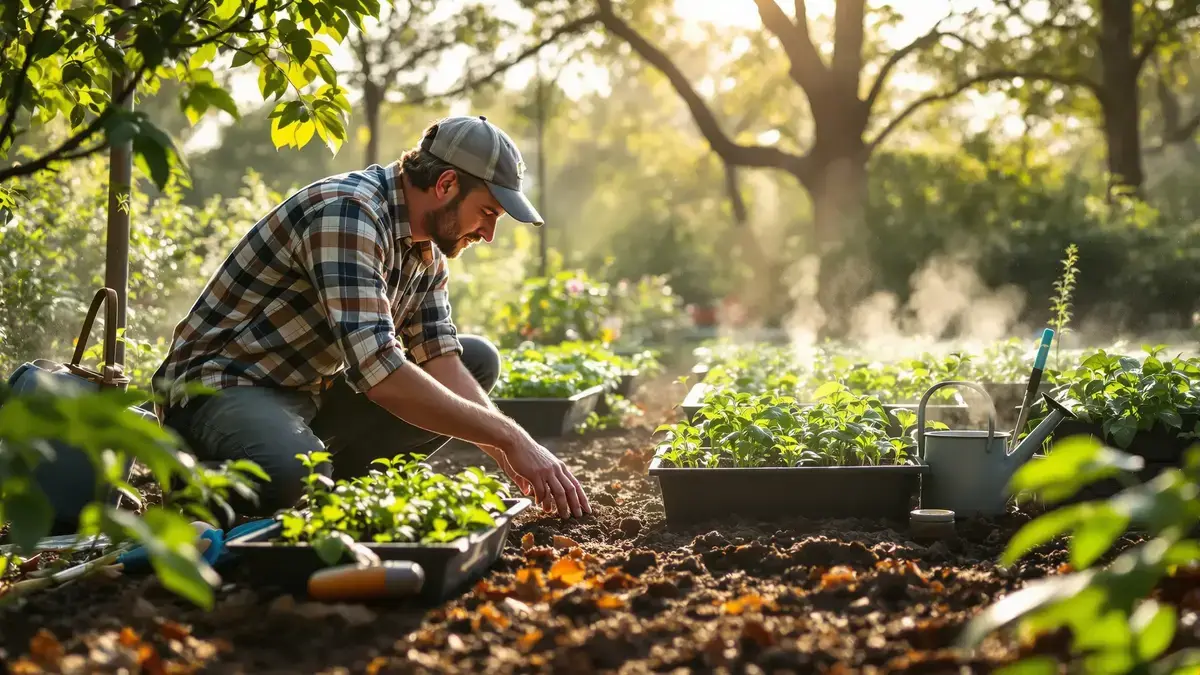

A garden just after sunrise feels hopeful, soil still cool beneath your shoes and tomato seedlings lined up in restless trays. Spring always seems to bring the promise of ripe, sun-warmed tomatoes, but the window for planting them is surprisingly narrow. Missing this critical period does more than shrink your harvest—it quietly welcomes disease and disappointment. There is a simple, almost invisible signal hiding in the weather, telling gardeners when to begin.
Reading the Season Beyond the Calendar
A glance at the calendar might tempt gardeners to set out their tomato plants—but the soil says otherwise. For these heat-loving crops, the most important cues come not from dates, but from warmer nights and a gentle softness in the earth. Experienced growers watch for nighttime temperatures to settle above 10°C (50°F), and for the soil to finally touch 12–16°C.
It’s a patient game. In some places, this moment arrives as early as late April, especially along milder coasts. Further inland or at higher altitudes, waiting until early June becomes necessary. Greenhouses, raised beds, or sunlit patios often outpace open ground, speeding soil warmth and bringing this turning point forward by several weeks.
Why Timing Matters: The Quiet Risk of Being Early or Late
Setting out tomatoes too soon feels optimistic, but the chill remains. One late frost can wipe out rows in hours. Even just cold roots slow growth, leaving plants stunted, more vulnerable to blight and disease. Leave planting too late, and plants simply run out of time—blossoms cut short, fruits struggling to ripen before the days grow short again.
Indoors, seeds sown six to eight weeks ahead of the last expected frost develop quiet strength under steady light. When their stems stand 15 centimeters tall, with five true leaves unfurled, and the weather finally shifts, it’s time for them to move outside.
Warmth, Light, and Careful Placement
Tomatoes crave sunlight—at least six to eight hours daily. Finding a patch with uninterrupted light makes fruiting possible, while regular watering at the base encourages sturdy roots and less risk of leaf disease. Mulch creates a subtle comfort against heat spikes and nighttime chill, helping to maintain the soil’s delicate balance.
Gardeners sometimes forget how particular these plants can be. The taste of a homegrown tomato owes just as much to timing and care as to variety. Missing the prime planting window leaves the ground cold, the leaves slow and pale, and diseases with an easy path in.
Adjusting to What Spring Offers
Gardeners benefit from watching local weather more than clinging to a specific date. Cloud patterns, bird calls in the early morning, or that first breath of warm air after dusk often reveal more than any gardening chart. Choosing the right time is a kind of quiet negotiation with nature, not a rush to keep up with neighbors.
Experienced hands use raised beds or containers to coax warmth from cool springs or shield against a stray frost. Their reward is often a heavier, earlier crop, with fewer plants lost to disease or stress.
A Narrow Gateway, Passed in Silence
The truth of spring tomato planting is simple: cross the gateway at the right moment, and the plants deliver. Wait too long, or jump too soon, and the chance slips by almost without notice—leaving flowers unopened or fruits small and late. Each season, this lesson returns, etched quietly in the garden’s changing light and the quiet resilience of its crops.
A well-timed planting sets everything in motion, from the first green shoots to the full baskets of summer. The cycle is both ordinary and quietly remarkable, a reminder that discipline and attention, more than luck or hope, decide the harvest.
