
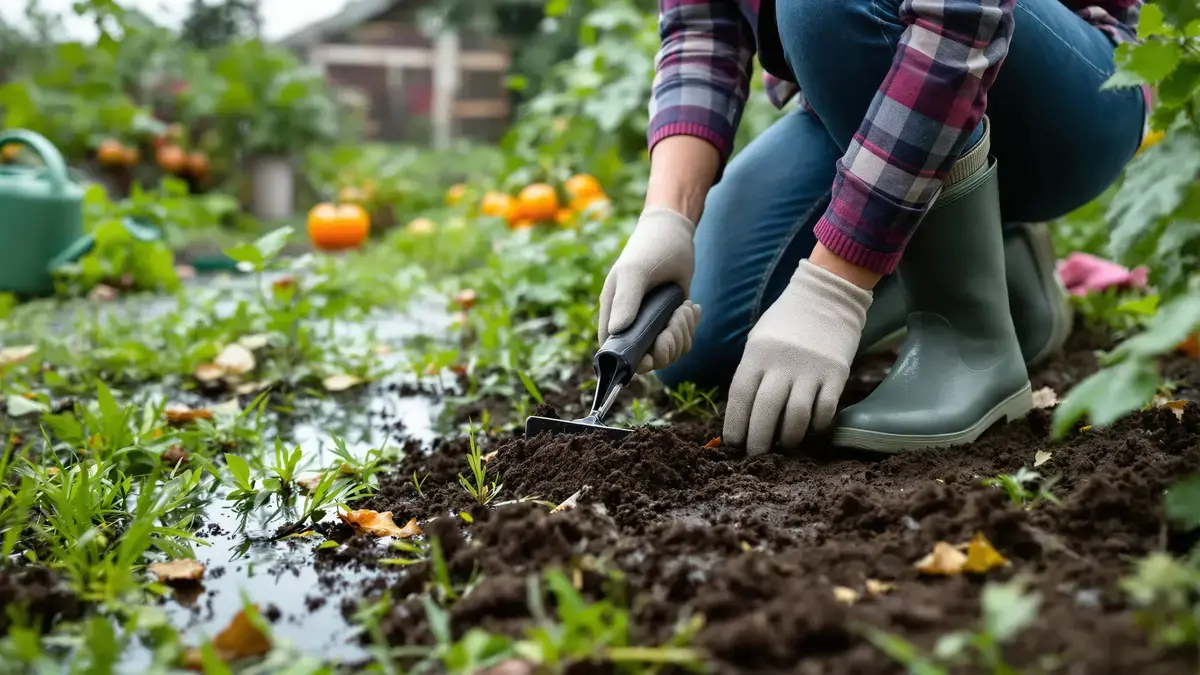

Boots sink slightly into soggy grass, and the air feels dense after a heavy rain. Raindrops still cling to leaves, glistening along stems and petals. While rain can be a blessing for thirsty gardens, too much of it lingers in the ground, troubling plants in ways that aren’t always obvious. What happens to soil and roots after such downpours, and why are a few prompt gestures crucial for the garden’s health?
Waterlogged Surfaces and Hidden Strain
Soil drenched by repeated rain looks rich and dark, but beneath the surface, trouble can brew. When earth is saturated, plant roots struggle to breathe, cut off from the oxygen they need. Walk through a garden after storms, and you’ll notice a heaviness underfoot—the ground is compacted, forming surface crusts that lock out air and trap moisture.
Roots stay wet longer, creating ideal conditions for fungal diseases and even root rot. The invisible pressure builds below, quietly stressing crops and ornamentals alike.
The Surge of Weeds and Pests
Lingering humidity doesn’t go unnoticed by nature’s opportunists. Slugs and snails, usually hidden, crawl into the open. Weeds too, emboldened by damp, appear in clusters across beds and borders. Left unattended, these guests take advantage, competing for space and vital nutrients.
One stubborn crust of soil can make all the difference. The loss of air and light beneath encourages harmful life to multiply fast.
First Response: Loosening and Aeration
After rainfall, a simple tool makes the first difference. Using a cultivator or claw, gently break up the soil around your plants. This immediate aeration is essential. It lets roots recover their access to air, encourages drainage, and reduces places where stagnant water lingers.
Turning the soil also disrupts weeds at a vulnerable stage. Uprooted, exposed to sunlight, many will quickly wither and die on the surface, reducing future work. This moment is small but pivotal—a chance to help the garden bounce back before problems take hold.
Tending to Fallen and Ripening Plants
Storms often leave branches scattered, littering paths and beds. Gathering them and shredding for compost recycles their nutrients, easing the burden on the soil. Among vegetables and fruits, the wet weighs heavy; ripe produce can soften swiftly, risking spoilage. Picking crops as soon as they’re ready saves them from being lost to rot or pests.
Containers shouldn’t be overlooked. Ensuring pots have proper drainage holes is a quiet safeguard. Without it, even the healthiest specimen risks waterlogged roots and a quick decline.
The Necessity of Routine Assessment
Gardens are always in transition. After rain, a routine inspection helps reveal early signs of trouble: yellowing leaves, unusual spots, or sluggish growth. Simple, quick checks soon after rainfall offer a chance to take action before invisible harms become visible setbacks.
Saturated soil tests the limits of every plant. Left untouched, these stresses compound, making recovery harder as time passes.
Balancing Nature’s Extremes
Heavy rain is a part of gardening’s rhythm—sometimes soothing, sometimes challenging. The difference lies in response. Immediate, attentive care restores balance, letting soil, plants, and gardeners recover together.
While rain alone is out of anyone’s control, how the garden meets it is not. These simple, thoughtful gestures turn risk into resilience, blending the needs of cultivation with the unpredictable face of nature.
