
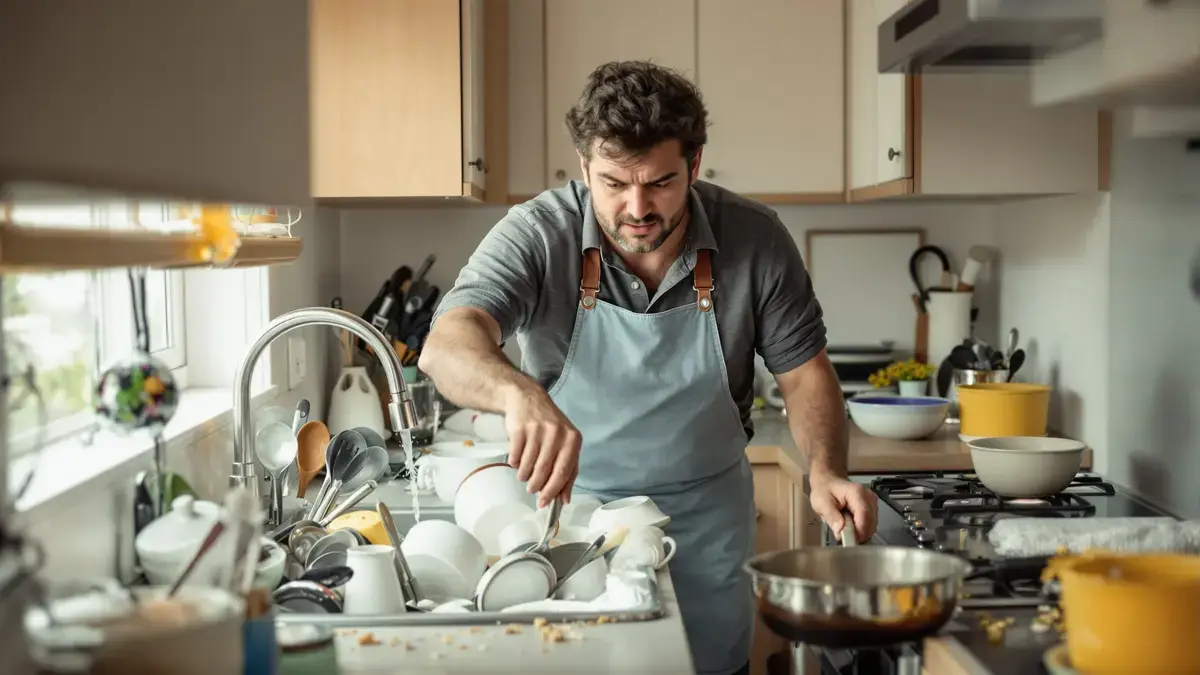

A frying pan cooling on the stove, a sink already loaded with utensils, the soft tap of water on plates—within these simple moments lies a quiet debate about order and its effects. As daily routines fill up with chores and choices, the way you handle mess in the kitchen can signal far more than a preference for tidiness. Beneath the surface, the question reveals a subtle but significant impact on stress and the sense of control that carries into life beyond the stovetop.
Seeing Clutter, Feeling Tension
No one enjoys ending a meal faced with a mountain of greasy pots and sticky spoons. Yet letting piles accumulate during cooking is a habit for many. The eye catches sight of clutter, and soon the mind registers each unwashed bowl as unfinished business. Research has shown that visual mess spikes cortisol, the stress hormone, making the kitchen feel less like a place to create and more like a battleground of tasks.
Why Cleaning as You Go Works Differently
Handling small cleanups while cooking requires a quieter sort of discipline. As steam curls from a simmering sauce or bread crumbs dot the counter, rinsing a mixing bowl right away becomes a micro-interruption—a pause that breaks a stress cycle before it begins. These moments aren't just practical; they offer a space to breathe, reorganize, and focus. Over time, they form a rhythm, letting calm replace potential anxiety.
The Other Side of Multitasking
Cleaning while cooking does more than keep the kitchen workable. It brings executive function into play—skills like keeping track of multiple tasks, holding instructions in your mind, and shifting gears efficiently. This mode exercises working memory and cognitive flexibility, helping you juggle priorities, make quick decisions, and adapt when unexpected spills or time constraints arise.
From Kitchen Habits to Daily Life
These habits aren't limited to spatulas and stovetops. The ability to tidy up gradually, rather than all at once, often mirrors strengths in handling finances, organizing work projects, or balancing commitments. People who maintain order as they go tend to develop better long-term thinking, resisting short-term ease in favor of bigger benefits down the line. It’s a quiet build-up of willpower and reliability that transfers naturally into managing calendars, savings, and even challenging conversations.
Emotion and Attention in Action
Cleaning as part of the cooking process can promote emotional regulation. Faced with a bubbling pot and a growing stack of utensils, the impulse might be to let chaos rule. But slowing down to rinse or wipe—pausing on purpose—models how to remain steady under pressure. In these minutes, present-moment awareness grows. The act of washing a dish or organizing a surface becomes a touchpoint, focusing attention and grounding the mind, not so different from moments of meditation.
Order Extends Beyond the Kitchen
A clean counter is rarely about the counter alone. Regular, small acts of organization foster conscientiousness, a trait that scientists link with reliability and preventive care. Practicing impulse control with small kitchen tasks builds strength for larger efforts elsewhere—exercising when tired, opting for patience in relationships, or saving money instead of spending. Each minor cleanup is like a rehearsal for bigger decisions about when to act, when to wait, and how to navigate complexity.
A Quiet Path Toward Balance
Not every day yields perfect order, nor does every meal require spotless surroundings. Growth isn’t found in extremes but in incremental change. A small shift—washing a knife after slicing or wiping a spill as it happens—can rearrange not only a kitchen, but also the pace and peace of daily routines. Over time, managing mess in real time translates into less overwhelm and a greater sense of capability, both at home and in the world.
Lasting Impressions
The practice of cleaning while cooking does more than produce a tidy space at the end of a meal. It refines attention, steadies emotions, and shapes habits that tend to echo into every corner of life. In the ordinary act of clearing as you go, there is a quiet lesson about the power of small choices and the surprising order they offer, even amid the busiest of days.
