
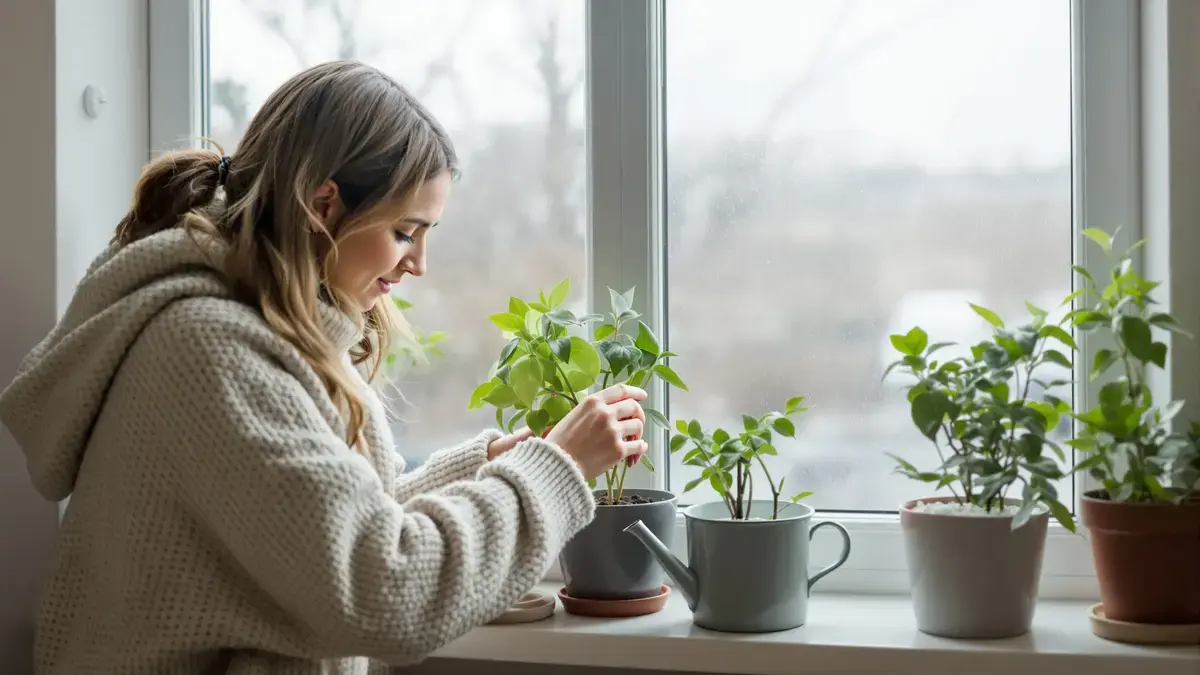

A windowsill lined with potted plants quickly becomes a silent worry in winter. Day after day, as heating dries the air and the sky stays stubbornly grey, it’s easy to believe these quiet companions are thirsty. Yet the urge to drizzle them with “just a little” water—a habit that feels thoughtful—may be exactly what puts their health at risk when cold weather settles in.
The Everyday Trap of the Watering Can
Many reach for the watering can out of caution. On chilly mornings, a light splash across the soil looks harmless. In fact, with January’s chill and weak sunlight, most plants enter a slow, sleepy phase. Their roots, hungry for oxygen not moisture, suddenly receive too much of the wrong kind of care. Frequent, shallow watering means the surface dries out, but underneath, moisture lingers. Oxygen disappears from the roots’ world, replaced by a quiet buildup of suffocating dampness.
How Winter Changes a Plant’s Needs
Plants adapt to the rhythm of the seasons. When the air cools and sunlight shrinks, their growth nearly pauses. They drink less—sometimes very little. A soggy, airless soil under these conditions becomes a trap. Wet, cold earth is a perfect playground for root rot and harmful fungi: damage that’s often missed until leaves wilt and roots are already harmed. Seeing drooping leaves, the first instinct may be to add water—which quietly seals their fate.
Why Surface Clues are Misleading
Dry soil on top feels like a warning. But only a curious finger, pressed two or three centimeters deep, tells the full story. If the soil feels cool or moist beneath, watering is a mistake. Some roots prefer their environment to approach dryness before getting a rare, deep soak. In winter, what helps is restraint, not routine. Better slightly sagging leaves than roots lost to rot—these can often revive, but drowned roots seldom do.
The Deep Watering Method: Stress with Purpose
When it is finally time to water, embracing the opposite approach helps. Deep, infrequent watering allows the entire root ball to drink. Letting the water drain through and waiting until the next true dry spell lets the soil breathe. Good drainage – a pot with holes, stones or clay at the bottom, and the habit of emptying the saucer soon after watering – is vital. Well-aerated soil gives roots toughness, as they stretch to find moisture between rare drinks.
Roots Resting, Preparing for Renewal
A plant that passes winter without soaked roots ends the season refreshed. When spring stretches daylight and the cold lifts, all the stored energy fuels rapid, healthy growth and, for many, vibrant blooms. Plants forced to survive in suffocating soil spend their spring rebuilding, not thriving. Allowing cycles of drying and soaking mimics nature’s own rhythm—a strategy hard to trust, but proven by every lush pot in March or April.
A Quiet Lesson Beneath Cold Windows
Subtle changes in watering habits during winter become an invisible act of care. Reluctance to water may be difficult at first, but guarding roots against lingering dampness makes all the difference. Quiet periods of near-dryness now protect the heart of each plant, setting the stage for more abundant life when warmth finally returns.
