
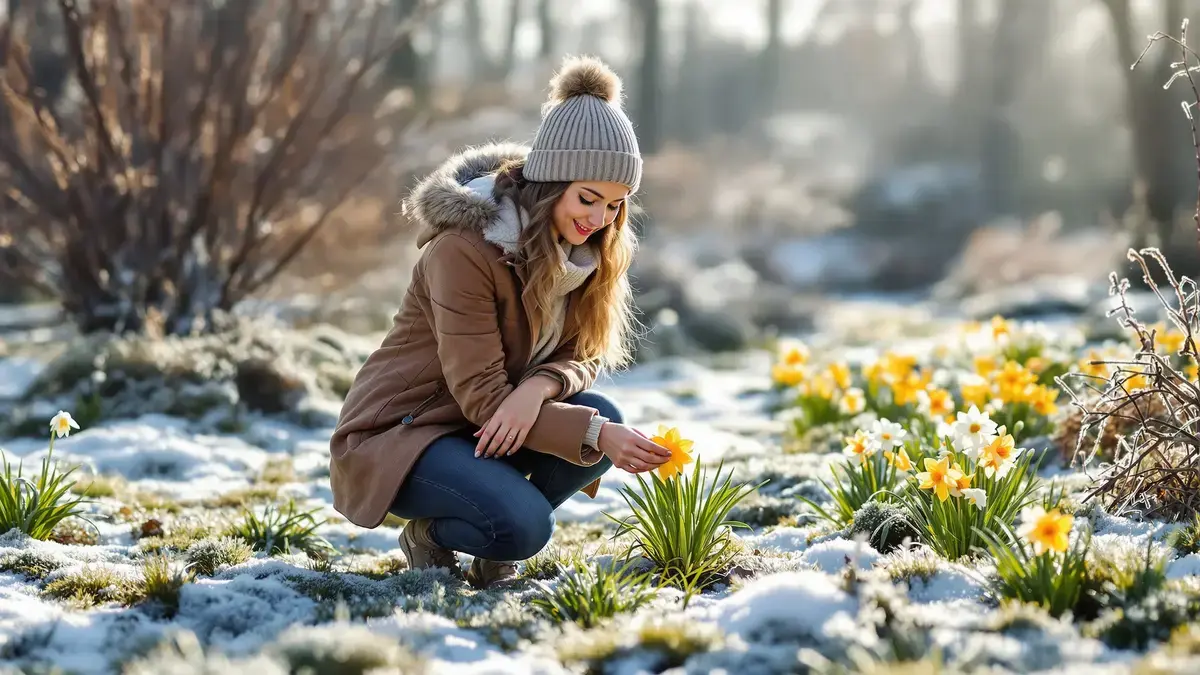

Frost still clings to the edges of lawns as a pale sun nudges color through the gray. Shrubs seem asleep, yet at ground level, clusters of buds begin to break the spell of winter. In gardens that appear dormant, a quiet renewal is underway—one that relies on a careful selection of early-flowering plants, some sturdy enough to bloom even while snow lingers.
The First Signs of Spring: Early Blooms Emerge
Long before the soil properly warms, certain plants display a clear urge to welcome the new season. Crocus, snowdrop, and winter aconite are among the earliest risers. Their flowers unfurl in clusters—whites, yellows, and blues—forming delicate tapestries under bare trees. These bulb-forming species use the winter cold to gather energy, channeling it into short-lived but spectacular shows from February to March.
Naturalized Bulbs for Persistent Color
Gardeners often notice how grape hyacinth and Siberian squill rapidly multiply, creating carpets that return each year. To achieve such continuity, bulbs should be planted in the previous autumn, taking care with both drainage and sunlight. Daffodils and early tulips provide larger swathes of gold, white, and pink, marking borders and pathways with showy trumpets and cups.
Woodland Perennials and Subtle Fragrance
In quieter corners, hellebores open nodding blossoms even as late frost dusts the ground. They are joined by trillium, columbine, and the airy structures of Dutchman’s breeches. These plants retreat into dormancy after blooming, only to reappear the following year, filling gaps below taller shrubs.
A gentle scent signals the presence of lily-of-the-valley, its bell-shaped flowers brightening shaded spots. Bergenia provides both structure and color, with leathery leaves that turn red in the colder months.
Architectural Shrubs Shape the Early View
From a distance, forsythia stands out with vibrant yellow stars, its branches entirely covered before any leaves emerge. Flowering almond trees present pink or white pompons, while Japanese quince adds red and salmon blossoms, each attracting early pollinators. Fothergilla offers not only spiced white flowers but a promise of vivid autumn leaves later.
Climbers such as Carolina jasmine release yellow, fragrant blooms that dress pergolas and fences in mild climates. Evergreens like Japanese camellia provide consistent structure, with historic rose-form blossoms in shades of pink, red, and white.
Layering for a Lasting Display
For the gardener seeking waves of color, the right combination is critical. Smaller bulbs weave at ground level, woodland perennials drift beneath deciduous trees, and early-flowering shrubs mark the transition between winter and spring. Strategies like mass planting under canopies and varying blooming times help ensure that as one bloom fades, another takes its place.
Durability Meets Design
Some species—such as hellebores—manage to flower despite late snow, illustrating the resilience built into their cycles. Careful choices favor plants that can withstand sudden cold snaps, while offering lasting fragrance, visual contrast, or even edible fruits. These components create a layered, living tapestry; each plant plays a precise role as the garden awakens.
A Subtle Celebration of the Season’s Transition
The emergence of early blooms is more than ornament; it marks the garden’s steady progression from slumber to life. Mornings may remain chilly, but clusters of color and scent suggest that change is close. In this transformation, the garden becomes a quiet herald for the longer, brighter days ahead.
