
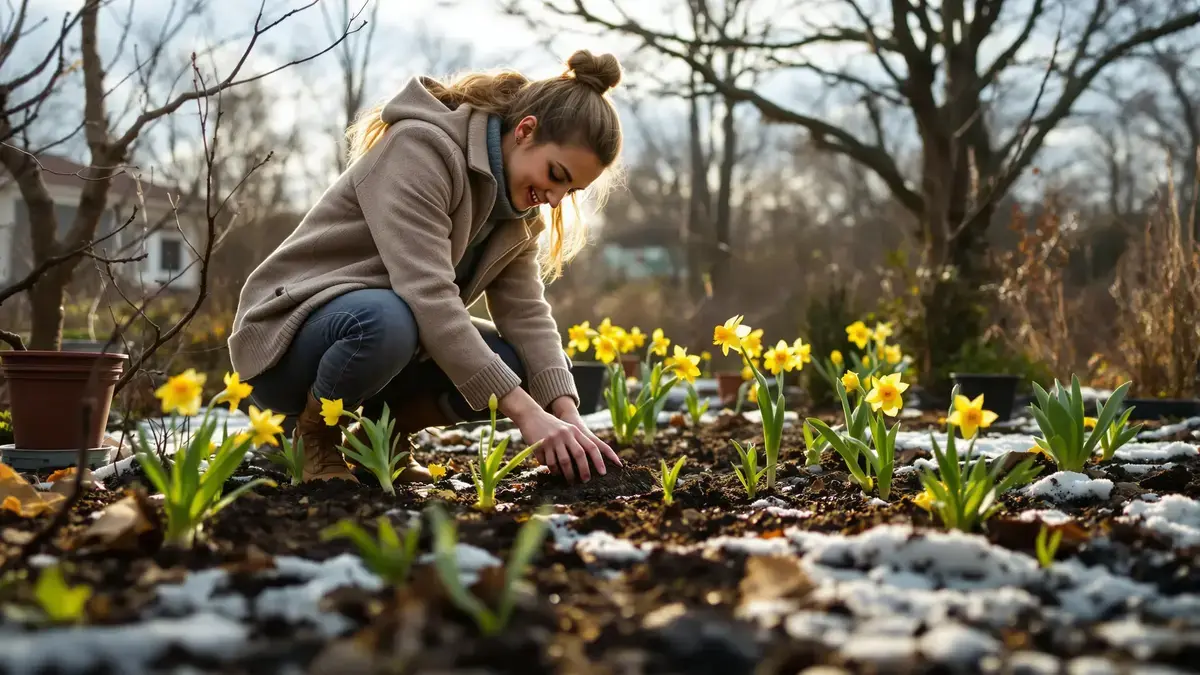

Opening the curtains after months of winter, the garden looks stripped bare—a patchwork of cold soil and forgotten pots. Yet under that quiet surface, something stirs. Spring brings a rare window, brief and powerful, for those willing to plant new life. If left unused, the chance for a dazzling landscape vanishes almost before it begins.
An Awakening Beneath the Surface
Beneath seemingly lifeless earth, the promise of color lingers. Spring nudges awake the hidden energy stored beneath last season’s frost. The cold lingers in the air, yet with mid-March comes a subtle shift: the sun climbs higher, and the ground grows receptive.
At this very point, a choice emerges. Planting now, between mid-March and mid-June, opens the door to a living palette—one shaped by bulbs, perennials, and annuals working together. Skipping the season leaves only anticipation, not the fullness of bloom.
Layers for Lasting Beauty
A single splash of flowers is fleeting. Gardens that astonish well into summer rely on clever layering—the right mix of planting now ensures color and texture in waves. Early bulbs such as tulip, daffodil, and hyacinth send up strong shoots when others still sleep, splashing the garden with color when the world still wears a winter coat.
Intertwined with these, forget-me-not and grape hyacinth may carpet the beds, filling empty gaps with gentler blues and purples. Each flower has its hour, each layer keeps the scene fresh.
Success in Soil and Sun
A flourishing display starts with simple details. Most spring flowers thrive in soil that drains well, not drowning the new roots. A spot with sunlight—at least for part of the day—makes all the difference. Even a shaded corner becomes a new world with hellebore, primrose, or lily of the valley weaving a woodland illusion.
Balconies, city patches, or generous beds—each adapts to spring’s bounty. The flowers are chosen both for resilience and rhythm. Some demand little more than space to stretch, others depend on gentle tending.
A Sequence That Never Fades
Continuous blooming is not accidental. Planning involves staggering species: from early primrose in February to the lasting presence of peony and anemone in late spring. Pansy, viola, and snowdrop open first, especially in cooler shades. Later, calendula and sweet pea fill out the borders, keeping pollinators moving between blossoms.
Shrubs like azalea and hydrangea join in, anchoring light growth with sturdy forms. For smaller settings, combinations of geranium and potted flowers craft a scene even in limited space.
Planting as Art, Not Accident
A successful spring border is a quiet experiment. Tall tulips and daffodils at the back, a cascade of myosotis and daisies up front—the result is a living canvas. Vertical touches from ranunculus and anemone stretch the eye upward, extending interest as the days warm.
Even practical choices carry beauty. Fast-multiplying species like calendula fill bare spots with little upkeep. Propagation by taking simple cuttings means the garden grows richer each year, at no great cost.
Missing Spring, Missing the Moment
There is no repeat button for this season. Delay, and the soil grows warm, the planting window closes, and the year passes with only the memory of what might have been. The transformation is underfoot, for a few short months—a chance for the garden to become both a sanctuary for wildlife and a quiet burst of brightness outside the window.
Spring’s flowers, chosen and layered with care, offer more than color. They define rhythm, create texture, and let the garden breathe with the season’s pulse. In their absence, the notes of renewal remain unplayed.
